

Professional Services
Artifical Intelligence
Artifical Intelligence Tennessee
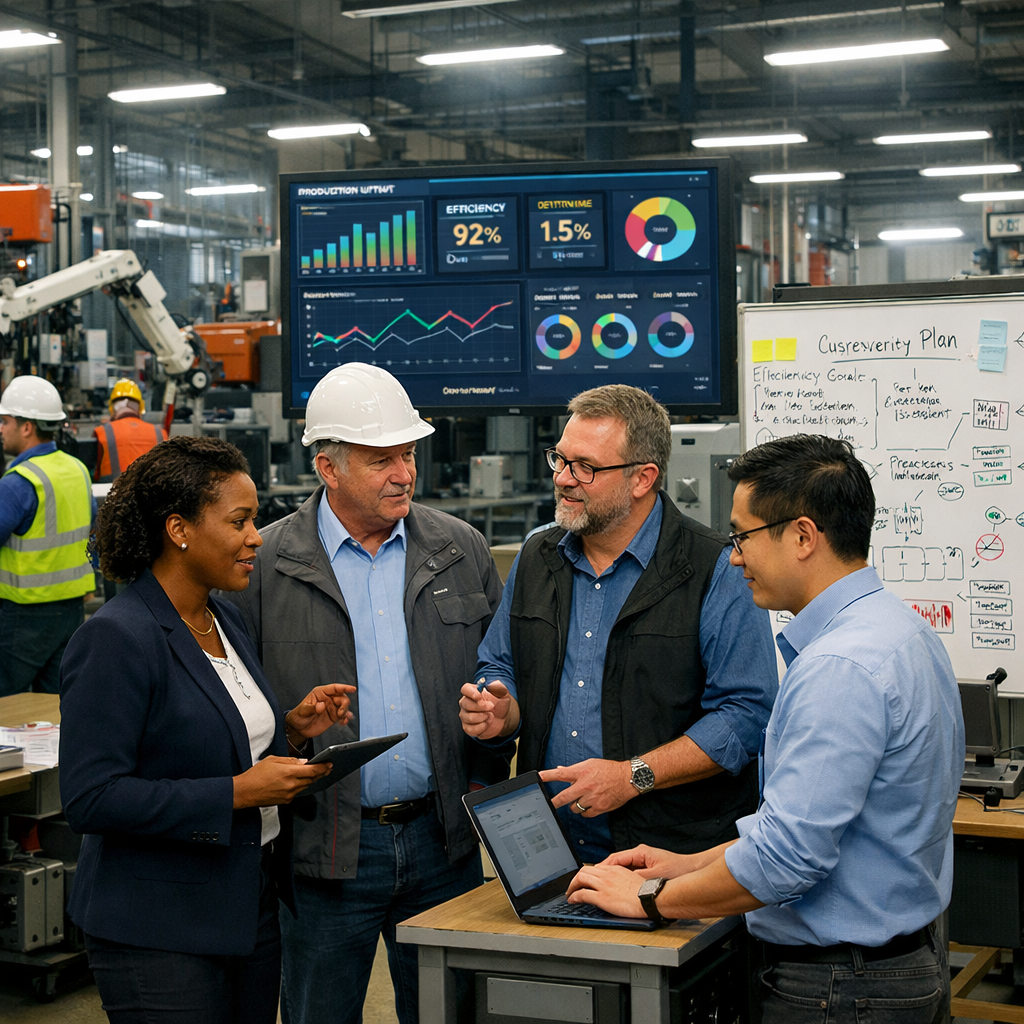

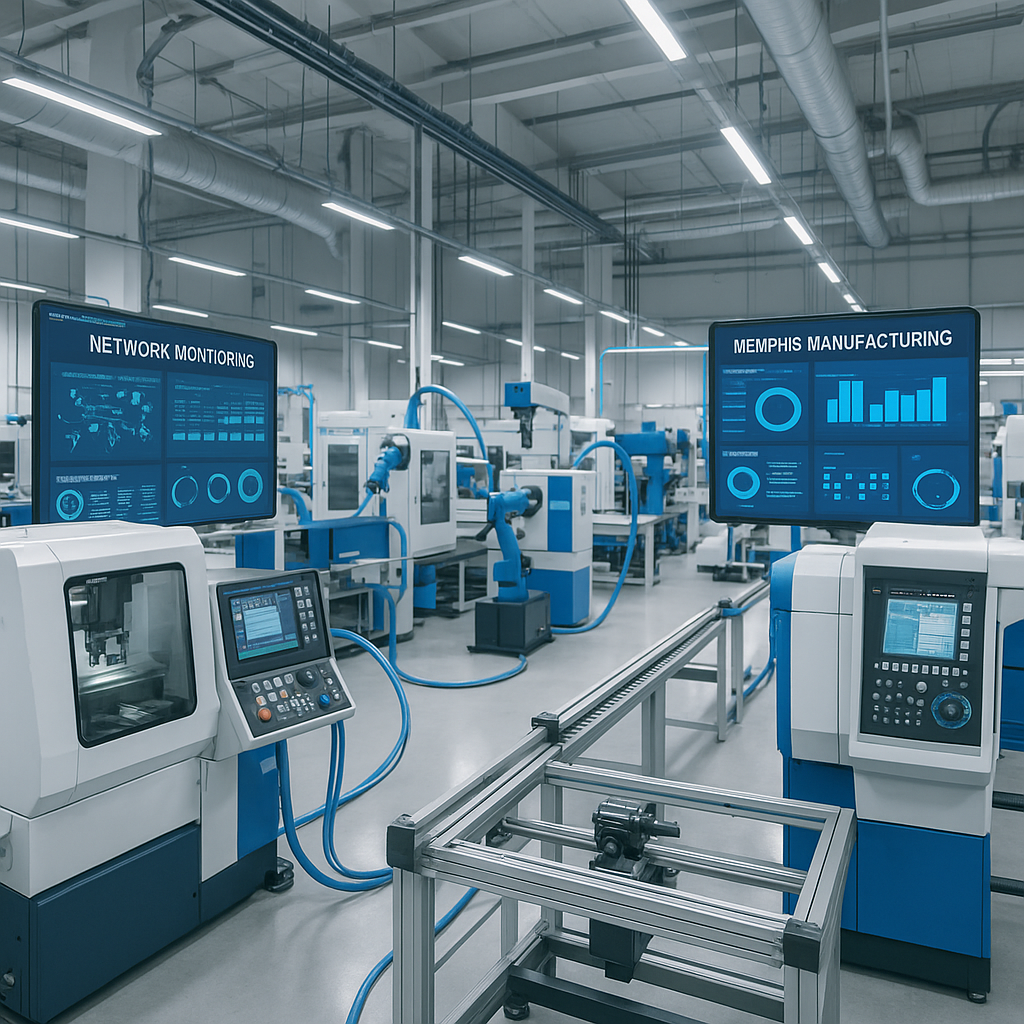
Manufacturing organizations in Memphis face mounting pressure to modernize infrastructure, reduce downtime, and leverage technology as a strategic advantage—not just an operational necessity.
Manufacturing operations in Memphis have reached a critical inflection point. What once functioned as a support mechanism—technology that kept the lights on and systems running—must now serve as a strategic differentiator. Plant managers and operations directors are discovering that yesterday's reactive IT approach cannot support tomorrow's operational demands. Market pressures including supply chain complexity, labor shortages, and rising customer expectations require technology infrastructure that enables agility rather than constrains it.
The shift from transactional IT management to strategic technology planning represents more than a philosophical change. It requires a fundamental reassessment of how infrastructure, cybersecurity, and digital capabilities align with long-term business objectives. Organizations that treat technology as a series of isolated purchases rather than interconnected strategic decisions find themselves perpetually behind—investing significant capital without achieving proportional operational improvement.
Memphis manufacturers are recognizing that sustainable competitive advantage requires vendor-neutral advisory partnerships rather than product-focused vendor relationships. Strategic IT consulting focuses on understanding business trajectory first, then aligning technology investments with growth plans, operational efficiency goals, and risk management requirements. This approach transforms technology from a cost center into an enabler of manufacturing excellence, operational continuity, and scalable growth.
Manufacturing environments depend on infrastructure reliability in ways that exceed most business sectors. When production systems fail, the impact extends beyond inconvenience—it translates directly to production delays, order fulfillment gaps, and revenue loss. Operations directors understand that infrastructure downtime creates cascading effects throughout supply chains, customer relationships, and workforce productivity. Yet many manufacturing organizations operate on infrastructure that evolved organically rather than strategically, resulting in technical debt that increases risk exposure.
Strategic infrastructure assessments examine the entire technology ecosystem—network architecture, server environments, storage systems, connectivity solutions, and integration points between operational technology and information technology systems. This comprehensive evaluation identifies single points of failure, capacity constraints, performance bottlenecks, and security vulnerabilities that threaten operational continuity. More importantly, it establishes a baseline for modernization planning that aligns infrastructure investments with business growth trajectories.
Infrastructure modernization planning extends beyond equipment replacement. It addresses fundamental questions about cloud readiness, hybrid infrastructure strategies, disaster recovery capabilities, and business continuity requirements. Manufacturing organizations benefit from vendor-neutral infrastructure consulting that evaluates solutions based on operational requirements rather than product portfolios. This approach ensures that infrastructure investments deliver measurable improvements in reliability, performance, scalability, and total cost of ownership—positioning technology as a strategic asset rather than a recurring expense.
Technology investment without strategic alignment represents one of the most common and costly mistakes manufacturing organizations make. IT managers frequently face pressure to address immediate technical issues while simultaneously supporting long-term growth initiatives. Without a comprehensive technology roadmap that connects infrastructure decisions to business objectives, organizations default to reactive spending patterns that fail to deliver sustainable value.
Strategic technology roadmapping begins with understanding business trajectory—growth projections, operational expansion plans, market positioning strategies, and competitive differentiators. This business-first approach ensures that technology planning supports rather than constrains organizational goals. COOs and operations directors benefit from technology assessments that translate business requirements into infrastructure capabilities, identifying gaps between current state and future needs. This process establishes prioritized investment recommendations that balance immediate operational requirements with long-term strategic positioning.
Vendor-neutral technology advisory services provide objective guidance that separates strategic planning from product sales. Manufacturing organizations require consultants who understand operational environments, production requirements, and industry-specific challenges—not simply technology salespeople positioning specific products. Strategic IT consulting examines total cost of ownership, integration complexity, scalability considerations, and operational impact before recommending solutions. This approach transforms technology planning from a series of isolated purchasing decisions into a coordinated strategy that supports manufacturing excellence, operational efficiency, and sustainable competitive advantage.
Cybersecurity has evolved from an IT concern to an operational imperative for manufacturing organizations. Ransomware attacks, supply chain compromises, and targeted intrusions represent existential threats to production continuity. Plant managers increasingly recognize that cybersecurity failures create operational downtime, regulatory compliance issues, customer confidence problems, and potentially catastrophic business interruption. Yet many manufacturing organizations approach security reactively, implementing disconnected tools rather than comprehensive security strategies aligned with operational risk profiles.
Strategic cybersecurity consulting begins with risk assessment that examines threat exposure specific to manufacturing environments. This includes evaluating network segmentation between operational technology and information technology systems, access control mechanisms, endpoint protection strategies, data backup and recovery capabilities, and incident response preparedness. Security readiness assessments identify vulnerabilities that threaten production continuity and establish prioritized remediation roadmaps that address the most critical risks first.
Downtime reduction strategies integrate cybersecurity planning with business continuity and disaster recovery capabilities. Manufacturing organizations benefit from holistic approaches that address both security threats and operational resilience. This includes implementing redundant systems for critical infrastructure, establishing recovery time objectives aligned with business requirements, testing backup and failover procedures, and developing incident response playbooks that minimize operational disruption. Strategic technology consulting positions cybersecurity not as a compliance checkbox but as a fundamental enabler of operational continuity and business resilience.
Manufacturing organizations pursuing sustainable growth require technology roadmaps that accommodate expansion without requiring complete infrastructure overhauls every few years. Scalability planning addresses capacity, performance, flexibility, and cost efficiency across multi-year time horizons. IT managers and operations directors benefit from technology strategies that support current operational requirements while providing pathways for future capabilities—whether that involves additional production facilities, workforce expansion, automation initiatives, or advanced analytics capabilities.
Comprehensive technology roadmapping examines infrastructure scalability across multiple dimensions. This includes network capacity and connectivity solutions that support distributed operations, cloud strategies that provide flexible compute and storage resources, unified communications platforms that enable collaboration across locations, and data analytics capabilities that transform operational information into actionable intelligence. Strategic planning identifies which capabilities require immediate investment versus future consideration, establishing phased implementation approaches that balance budget constraints with operational requirements.
Long-term technology success requires ongoing strategic partnership rather than episodic project engagement. Manufacturing organizations benefit from advisory relationships that provide continuous alignment between technology capabilities and evolving business objectives. This includes periodic infrastructure assessments, technology performance reviews, emerging capability evaluations, and vendor management oversight. Strategic IT consulting positions technology as a dynamic asset that requires continuous optimization rather than a static implementation that degrades over time. This partnership approach ensures that manufacturing organizations maintain competitive technological positioning while optimizing total cost of ownership and maximizing return on technology investment.