

Professional Services
Artifical Intelligence
Artifical Intelligence Tennessee
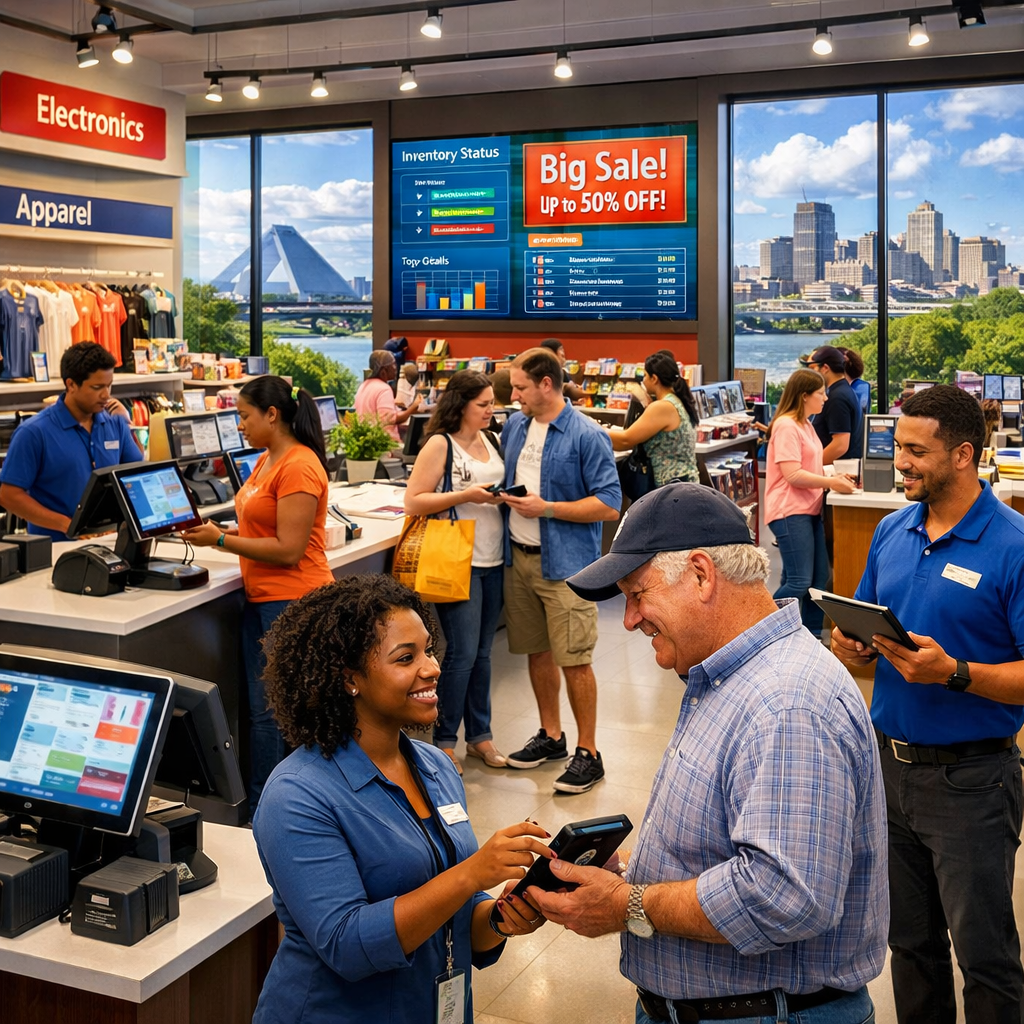


Memphis retail operations demand reliable technology infrastructure that keeps stores connected, transactions flowing, and customer experiences seamless across every location.
For retail organizations operating multiple locations across Memphis and the Mid-South, IT infrastructure serves as the operational backbone that connects every store, distribution center, and administrative facility. When point-of-sale systems, inventory management platforms, and customer data networks function reliably, businesses can deliver consistent experiences regardless of location. However, when technology falters, the impact cascades through every aspect of operations—from delayed transactions and frustrated customers to inventory discrepancies and lost revenue opportunities.
Regional operations managers and IT directors understand that infrastructure reliability directly influences both customer satisfaction and operational efficiency. A single network outage at a high-traffic location can mean thousands in lost sales, while connectivity issues between stores and warehouses create inventory visibility gaps that affect merchandising decisions. Modern retail demands real-time data synchronization, seamless communication between locations, and the ability to adapt quickly to changing market conditions.
The complexity of managing technology across multiple sites creates significant challenges for operations-focused leaders. Each location requires consistent network performance, secure transaction processing, reliable backup systems, and coordinated updates—all while maintaining the flexibility to scale as the business grows. This is where strategic technology infrastructure becomes a competitive advantage rather than simply an operational necessity.
Memphis retail organizations face unique connectivity challenges that directly impact operational efficiency and scalability. Multi-location businesses often struggle with inconsistent network performance across sites, creating frustrating disparities in transaction speeds, data synchronization, and communication capabilities. When some locations experience reliable connectivity while others face intermittent issues, it becomes nearly impossible to maintain operational consistency or gather accurate real-time data for decision-making.
Traditional network architectures frequently create bottlenecks that limit scalability and increase complexity. Many retail operations rely on outdated MPLS connections or inconsistent broadband solutions that lack the flexibility required for modern business applications. As organizations adopt cloud-based inventory systems, customer relationship management platforms, and unified communication tools, network infrastructure must evolve to support these distributed applications reliably across every location.
Security concerns compound connectivity challenges, particularly as retail organizations process sensitive customer payment information and maintain compliance requirements across multiple sites. Each location represents a potential vulnerability point, and inconsistent security postures across the network create gaps that sophisticated threats can exploit. Operations directors recognize that connectivity solutions must balance performance, reliability, security, and cost-effectiveness—a combination that traditional approaches often fail to deliver.
Geographic factors specific to Memphis and the surrounding region further complicate connectivity planning. Retail locations span urban, suburban, and rural markets, each with different infrastructure availability and performance characteristics. Organizations need connectivity solutions that deliver consistent performance regardless of location while providing centralized visibility and management across the entire network.
Managed IT services fundamentally transform how retail organizations approach technology reliability and operational continuity. Rather than reacting to problems after they disrupt operations, proactive monitoring and management identify potential issues before they impact customer-facing systems. This shift from reactive troubleshooting to preventive maintenance reduces unplanned downtime, ensures consistent performance across locations, and frees internal teams to focus on strategic initiatives rather than emergency response.
For regional operations managers overseeing multiple locations, the visibility provided by comprehensive managed services creates operational clarity that was previously impossible to achieve. Centralized monitoring dashboards reveal network performance, system health, and potential vulnerabilities across every site in real-time. When issues do occur, rapid response protocols ensure that technical resources address problems quickly, minimizing disruption to customer transactions and store operations. This level of oversight and responsiveness directly translates to improved customer experiences and protected revenue streams.
The impact on customer experience extends beyond simply preventing technology failures. Managed IT services enable retail organizations to maintain consistent system performance during peak traffic periods, ensure that transaction processing remains fast and reliable, and support the digital tools that modern customers expect—from mobile payment options to real-time inventory availability. When technology operates seamlessly, customers focus on their shopping experience rather than technical frustrations, driving satisfaction and repeat business.
Operational efficiency gains compound over time as managed services optimize system configurations, implement standardized processes across locations, and eliminate the hidden productivity costs associated with technology issues. Store managers spend less time troubleshooting IT problems and more time leading their teams. Regional operations directors gain confidence in their technology infrastructure, enabling them to pursue growth initiatives and operational improvements without technology constraints limiting their strategic options.
Modern retail operations require technology solutions designed specifically for scalability and operational efficiency rather than simply addressing immediate technical needs. SD-WAN solutions represent a fundamental advancement in how multi-location organizations approach connectivity, replacing rigid traditional network architectures with intelligent, flexible infrastructure that adapts to application requirements and business priorities. By optimizing traffic routing, prioritizing critical applications, and leveraging multiple connection types, SD-WAN delivers consistent performance across all locations while reducing connectivity costs and complexity.
Cloud-based infrastructure modernization enables retail organizations to scale technology resources dynamically as business needs evolve. Rather than maintaining expensive on-premise servers at each location, cloud computing allows centralized management of applications and data while providing reliable access from every store. This architectural shift reduces capital expenditure, simplifies disaster recovery planning, and enables rapid deployment of new locations without significant infrastructure investment at each site.
Unified communications platforms integrate voice, video, messaging, and collaboration tools into cohesive systems that improve coordination between locations and streamline operational communication. When store managers can instantly connect with regional leadership, distribution teams can coordinate efficiently with retail locations, and customer service representatives access real-time information from any location, operational responsiveness improves dramatically. These communication capabilities become particularly valuable as businesses scale and the complexity of coordinating multiple sites increases.
Data analytics and business intelligence tools transform the information generated by retail operations into actionable insights that drive strategic decision-making. Rather than relying on delayed reports or incomplete data, operations directors can access real-time visibility into sales performance, inventory levels, customer patterns, and operational metrics across all locations. This data-driven approach enables more informed decisions about merchandising, staffing, expansion planning, and operational improvements. Technology solutions designed for efficiency and scalability create the foundation for sustainable growth rather than simply maintaining current operations.
Business continuity planning represents a critical component of operational resilience that many retail organizations overlook until disruptions force reactive responses. Comprehensive continuity strategies encompass data backup and recovery systems, redundant connectivity solutions, documented recovery procedures, and regular testing to ensure that plans function effectively when needed. For multi-location retail operations, continuity planning must address both site-specific incidents and regional events that could impact multiple locations simultaneously.
Cybersecurity in retail environments requires layered approaches that protect customer data, secure transaction processing, and defend against increasingly sophisticated threats targeting the retail sector. Payment card industry compliance represents the baseline, but effective security strategies extend far beyond minimum requirements. Network segmentation isolates critical systems, advanced threat detection identifies suspicious activity before breaches occur, and security awareness training ensures that team members across all locations understand their role in maintaining security postures.
The distributed nature of multi-location retail creates unique security challenges that require centralized visibility and coordinated response capabilities. Each location represents a potential entry point for threats, and inconsistent security implementations create vulnerabilities that attackers actively seek to exploit. Managed security services provide the expertise, tools, and continuous monitoring that retail organizations need to maintain robust security across their entire operational footprint without requiring extensive security teams at each location.
Disaster recovery planning specifically addresses how quickly retail operations can resume following significant disruptions. Whether caused by natural disasters, cyber incidents, equipment failures, or other events, extended downtime creates immediate revenue loss and long-term customer trust issues. Effective recovery strategies include regular data backups stored in geographically distributed locations, documented procedures for restoring critical systems, and clear communication protocols for coordinating recovery efforts across the organization. Operations directors who invest in comprehensive continuity and security frameworks protect not only technology assets but also the operational resilience that enables sustained business growth and customer confidence.